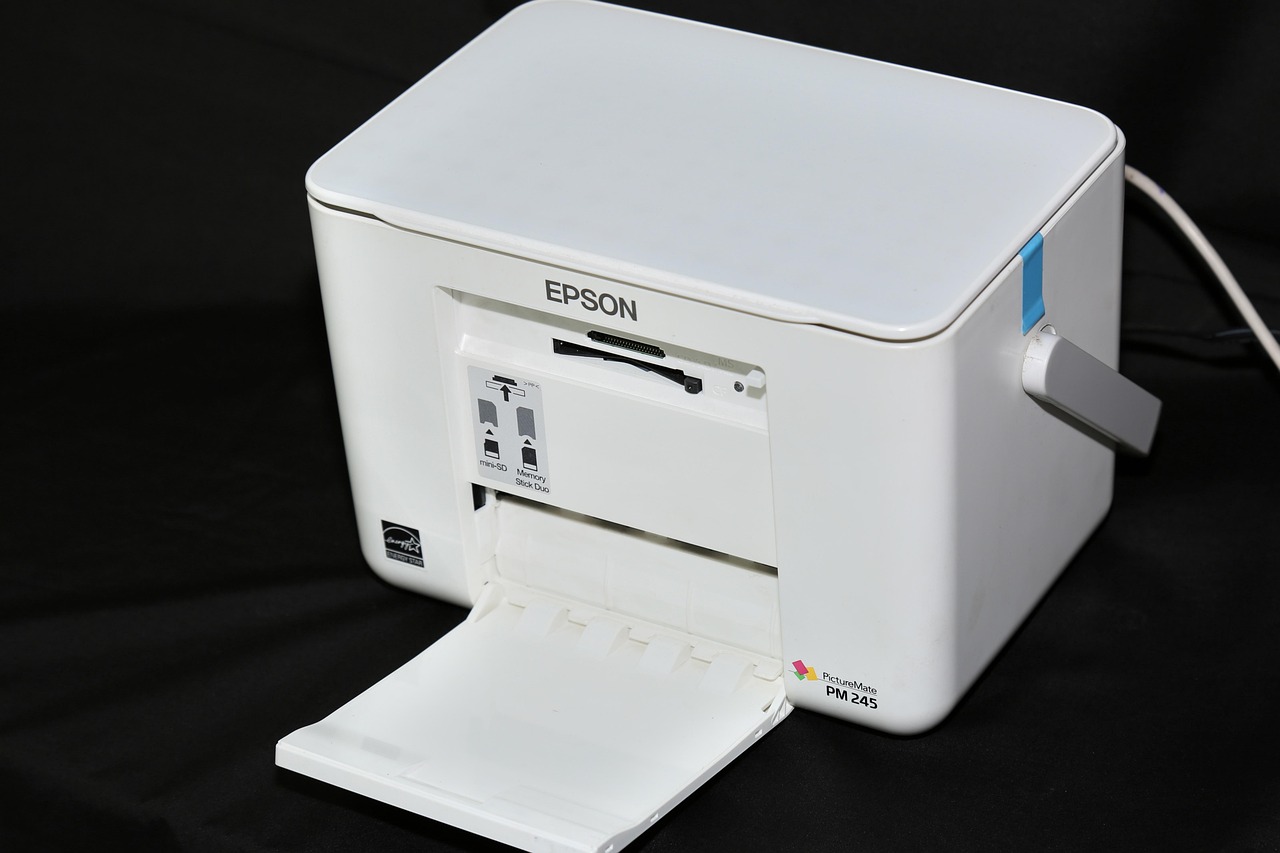

It may seem like a relic in the age of smartphones and cloud storage, but a reliable printer is still a cornerstone of any modern home or office. The ability to print on demand, whether it’s a résumé, a recipe, or a batch of invoices, remains an essential skill. Imagine trying to locate that last-minute tax form without a printer—frustrating, isn’t it?
The Evolution of Printing Technology
From the clunky dot‑matrix machines of the 1980s to today’s sleek, silent ink tanks, printing devices have undergone a dramatic transformation. The key drivers have been speed, quality, and cost efficiency. Today’s printers can produce high‑resolution images in a fraction of a second, rivaling the speed of a seasoned typographer.
Ink Tank Versus Cartridge: Which Path to Take?
Ink tanks, as the name suggests, store large volumes of ink in a refillable reservoir, reducing the per‑page cost dramatically. Cartridges, on the other hand, offer convenience for the occasional user, but they tend to be pricier over time. When choosing, consider not only the upfront price but also how often you’ll print in the long run.
Laser Printers: The Office Powerhouse
Laser technology offers razor‑sharp text and exceptional durability, making it the go‑to for busy workspaces. While the initial investment is higher, the low operating cost and high output volume often pay for themselves quickly. For home offices that handle a lot of paperwork, a laser printer can be a game changer.
Budget‑Friendly Solutions for the Thrifty User
There are plenty of affordable options that do not compromise on performance. Brands like Brother and HP have carved out segments that balance cost with quality, appealing to students, freelancers, and small businesses alike. The trick is to read between the lines and focus on long‑term value rather than sticker shock.
Brother: The Budget Champion
Reliability Without Breaking the Bank
Brother has cultivated a reputation for producing durable machines that run smoothly for years. Their printers typically feature robust build quality and a straightforward user interface, which appeals to the average consumer who wants a plug‑and‑play experience. The brand’s commitment to customer support further solidifies its standing.
Brother’s Flagship Ink Tank
One standout model is the Brother INK-PAK series, which offers a generous ink capacity at a reasonable price point. The system’s refillable tanks eliminate the need for frequent cartridge replacements, and the print quality remains consistent across thousands of pages. For families that share a printer, this model is both economical and efficient.
HP: Innovation and Reliability in One Package
HP’s EcoTank Line: A Modern Twist on Classic Ink Tanks
HP’s EcoTank range has taken the ink tank concept to the next level, pairing it with a sleek, low‑profile design that fits comfortably on a desk. Each EcoTank unit contains a high‑capacity reservoir that can print up to 10,000 pages before needing a refill. The cost per page is often lower than traditional cartridge systems, making it attractive for high‑volume users.
HP’s Laser Models: Power and Precision
For those who need speed and sharpness, HP’s laser printers deliver impressive results. They typically feature high DPI settings, fast duplex printing, and integrated security features such as secure printing and user authentication. These models are especially useful for professionals who require both quality and confidentiality.
Other Notable Brands Worth Considering
While Brother and HP dominate the conversation, other manufacturers like Canon, Epson, and Samsung also offer compelling options. Canon’s imageCLASS line is celebrated for its photo‑printing prowess, whereas Epson’s EcoTank series rivals HP in cost‑efficiency. Samsung’s laser printers bring a solid balance of speed and image quality, making them a viable alternative.
Key Features to Compare When Shopping
When narrowing down choices, examine aspects such as print speed, resolution, connectivity, and maintenance costs. The speed is measured in pages per minute (PPM) and is crucial for busy environments. Resolution, in dots per inch (DPI), determines how crisp your prints will appear. Connectivity options—Wi‑Fi, Ethernet, mobile printing—add flexibility for various workflows.
Connectivity Options That Make Life Easier
Modern printers increasingly support wireless printing, which eliminates the need for cables and allows multiple devices to share a single machine. Some models also feature cloud printing capabilities, enabling users to upload documents from anywhere and print them at a local shop or home office. If you frequently travel or work remotely, this flexibility is indispensable.
Print Speed and Quality: The Twin Pillars of Performance
Speed is often measured in pages per minute, but it is only valuable if the quality remains high. A printer that prints 40 PPM but delivers blurry text is a poor investment. Look for models that maintain high DPI settings even at increased speeds, ensuring that documents, photos, and presentations look professional.
Maintenance and Operating Costs: The Hidden Expenses
Even the most affordable printer can become costly if the ink or toner is expensive. Evaluate the cost of consumables per page and consider whether the manufacturer offers refill kits or compatible third‑party cartridges. Regular maintenance, such as cleaning heads or replacing rollers, also impacts long‑term ownership costs.
Practical Tips for Selecting the Right Printer
Start by identifying your primary use case: is it mostly text, photos, or a mix of both? Next, estimate your monthly print volume; a high‑volume user will benefit from lower per‑page costs. Finally, consider your budget for the initial purchase and ongoing supplies. Balancing these factors helps prevent buyer’s remorse.
Future Trends: What Lies Ahead for Print Technology
Print technology is evolving beyond mere document output. Integrated scanning, faxing, and even 3D printing capabilities are emerging in some models. Additionally, sustainability is becoming a key driver, with manufacturers developing recyclable cartridges and energy‑efficient components. The convergence of printing with workflow automation tools is also gaining traction.
The Role of Sustainability in Printer Choices
Environmental impact is no longer a niche concern. Many brands now offer refillable ink systems that reduce plastic waste, and some even provide recycling programs for used cartridges. Choosing a printer that aligns with green practices not only benefits the planet but often results in lower operating costs.
Choosing a Printer That Fits Your Life
There is no one‑size‑fits‑all answer. Whether you opt for Brother’s economical ink tank, HP’s versatile EcoTank, or a laser model from a different brand, the key is to match the machine’s features with your daily habits. The right printer will seamlessly integrate into your workflow, saving time and money.
Looking Forward: Printing in the Digital Age
As cloud collaboration and mobile devices become the norm, printers are adapting to stay relevant. Expect to see more models that support print‑by‑phone, cloud job queues, and AI‑driven optimization of ink usage. The printer of tomorrow may still be a physical device, but it will be smarter, greener, and more integrated than ever before.