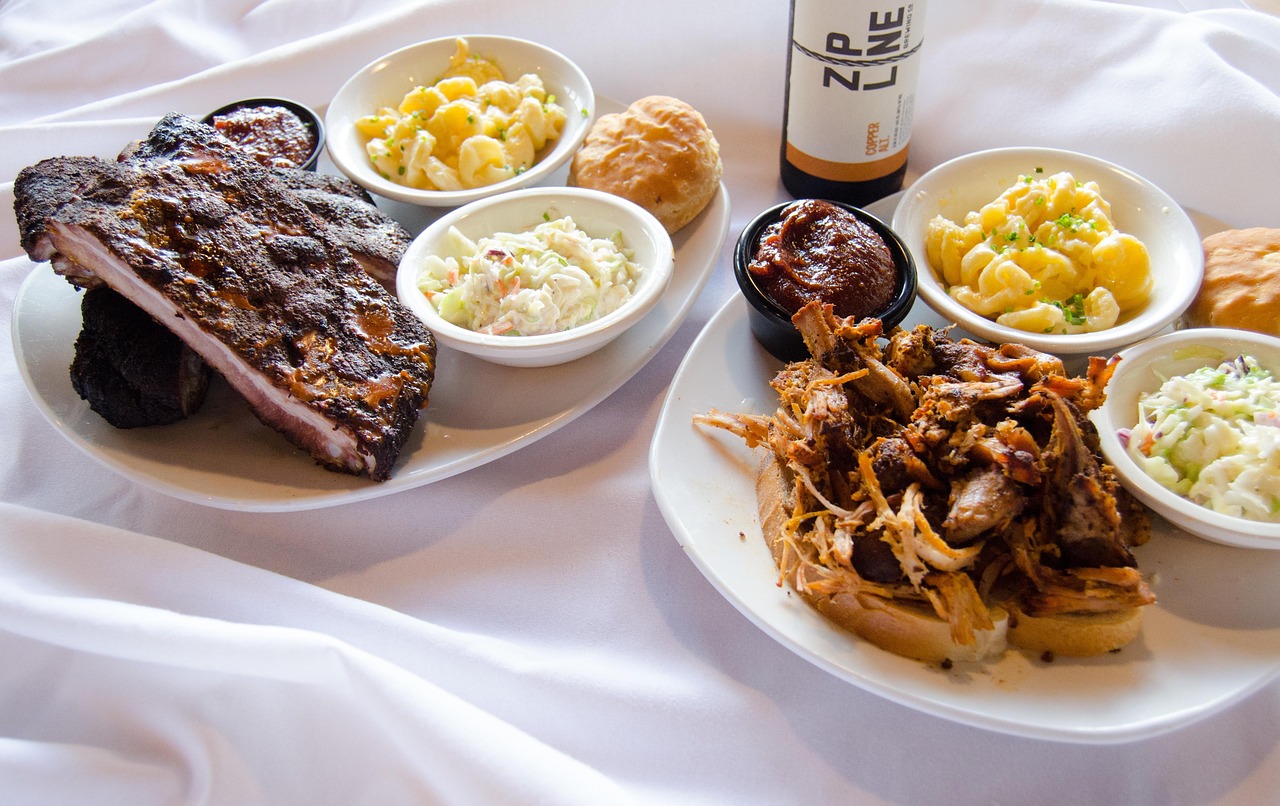

A culinary experiment conducted in December 2025 compared the flavor, texture, and cooking time of a classic mac and cheese recipe prepared on the stovetop, in the oven, and in a microwave. The test was carried out by a researcher who has used the same recipe for nearly twenty years, ensuring consistency across all trials.
Background and Purpose
The researcher sought to determine how the choice of appliance affected the final dish. The same ingredients were used in each method: an eight‑ounce bag of shredded sharp cheddar cheese, one and a half cups of milk, a box of medium pasta shells, and two tablespoons of butter. The goal was to evaluate which appliance produced the most desirable combination of taste, texture, and convenience.
Methodology
Stovetop Preparation
The stovetop method began with a roux, a mixture of butter and flour that thickens the sauce. Once the roux formed a paste, milk was whisked in and simmered until it thickened. Cheddar cheese was added over low heat, and the sauce was removed from the burner immediately after the cheese melted to prevent over‑thickening. The pasta and sauce were cooked together in a single pot, minimizing cleanup.
Oven Preparation
For the oven test, the pasta was intentionally undercooked before baking to avoid overcooking during the baking period. Butter was dotted on top of the pasta before baking. The dish was covered for twenty minutes and then baked uncovered for fifteen minutes, totaling thirty‑five minutes of cooking time. The oven method produced a crispy top layer and a rich cheese flavor.
Microwave Preparation
The microwave trial began with the pasta boiled on the stovetop until slightly underdone. Butter and flour were microwaved together to create a roux alternative, and milk was heated separately in the microwave. The ingredients were combined in a glass bowl and microwaved covered for five minutes. After stirring, the dish was microwaved for an additional two minutes. This method required the least hands‑on time but involved a separate boiling step.
Results
Texture and Creaminess
The stovetop version yielded the creamiest sauce, with the cheese fully melted and no stringy texture. The oven version produced a slightly uneven cheese coating but delivered a crispy top and a pronounced cheese flavor. The microwave version resulted in uneven cheese melt, leaving specks of cheese on the pasta and a thicker, drier consistency.
Flavor Profile
The oven preparation was judged to have the best overall flavor when served fresh, with a pronounced cheddar sharpness. The stovetop dish also retained a strong cheddar flavor and maintained its texture and taste after reheating. The microwave dish was noted to taste more like milk, lacking the sharpness of the other two methods.
Cooking Time and Convenience
The stovetop and microwave methods required similar total cooking times, but the stovetop required only one pot, reducing cleanup. The oven method took the longest, at thirty‑five minutes, and required a baking dish that was more difficult to clean. The microwave method involved an additional boiling step but still offered the shortest hands‑on time.
Implications for Home Cooks
The experiment demonstrates that appliance choice can significantly influence the sensory qualities of mac and cheese. For those prioritizing minimal cleanup and consistent texture, the stovetop method is recommended. For those seeking the richest flavor and a crispy topping, the oven method is preferable, despite its longer cooking time and greater cleanup effort. The microwave method, while convenient, produces a less desirable texture and flavor profile.
Future Directions
Further studies could explore variations in cheese type, pasta shape, and additional seasonings to determine how these factors interact with appliance choice. The researcher plans to publish a follow‑up analysis that includes a broader range of ingredients and cooking techniques, providing a more comprehensive guide for home cooks worldwide.