
A travel planner based in the United Kingdom has recently highlighted five European destinations that he believes offer unique experiences beyond the usual tourist hubs of Paris, London, Rome and Amsterdam. The planner, who works for a travel agency that specializes in customized itineraries, said the recommendations stem from extensive on‑ground research across the continent. The focus on lesser‑known gems is intended to provide travelers with fresh perspectives and less crowded attractions, a trend that has gained traction among visitors seeking authentic cultural encounters.
Salzburg, Austria
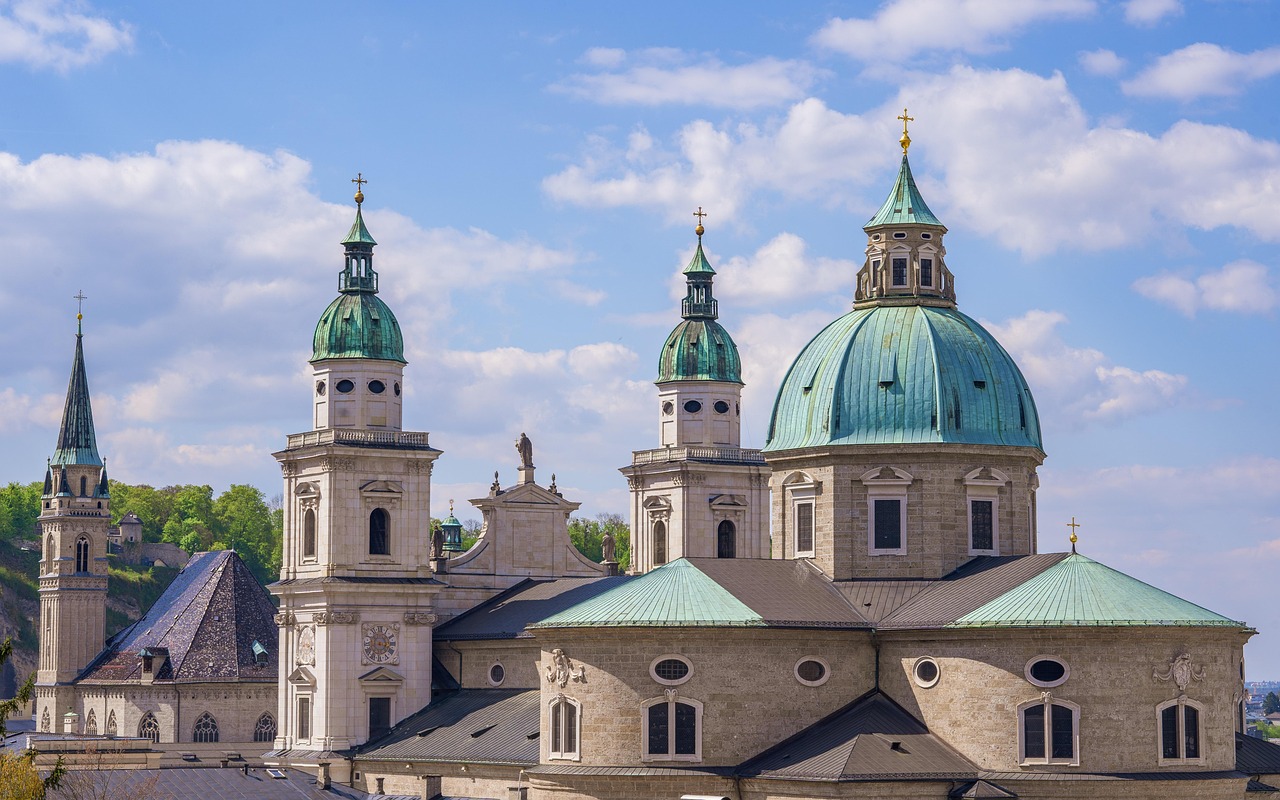
Salzburg is a city steeped in musical heritage and alpine scenery. The town is best known as the setting for the classic film “The Sound of Music,” and visitors can tour the locations that inspired the movie, including the Pegasus fountain and the gazebo where the song “Sixteen Going on Seventeen” was filmed. The city also houses the Basilica of St. Michael, the former residence of the fictional Captain Von Trapp, and the Hohensalzburg Fortress, which offers panoramic views of the surrounding mountains. In addition, the Untersberg cable car provides access to higher elevations for hikers and sightseers. The city’s cultural calendar includes summer and fall bike tours that focus on the film’s legacy, while the Salzburg Zoo and the Mozart birthplace attract families and music enthusiasts alike.
Liverpool, England
Liverpool, located a few hours by train from London, is a key destination for fans of the Beatles. All four members of the band grew up in the port city, and the local museum and the Cavern Club preserve the history of their early performances. The city also hosts two major football clubs, Liverpool FC and Everton FC, and offers stadium tours that give visitors an inside look at the clubs’ facilities and history. Beyond music and sport, Liverpool’s cultural scene includes a range of theaters, art galleries and museums, and the city has become a popular spot for shopping and culinary exploration. The combination of musical heritage and contemporary culture makes Liverpool a compelling stop for travelers interested in 20th‑century pop culture.
Cinque Terre, Italy
Cinque Terre is a cluster of five villages—Monterosso, Vernazza, Corniglia, Manarola and Riomaggiore—situated along the Italian Riviera. The villages are accessible only by train, ferry or foot, which preserves their historic charm. Vernazza is often cited as the most picturesque of the five, featuring cobbled streets, a medieval castle and a church dedicated to Santa Margherita d’Antiochia. Monterosso offers sandy beaches that attract sun‑bathers during the summer, while the remains of Castello Fieschi and the Church of St. John the Baptist provide historical context. Manarola is known for its cliff‑side houses and local wine, particularly the sweet dessert wine Sciacchetrà. Corniglia, the quietest of the villages, offers the Lardarina staircase, which provides sweeping views of the coastline. The region’s hiking trails, such as the trail that connects all five villages, are popular among outdoor enthusiasts.
Porto, Portugal
Porto lies on the banks of the Douro River and is approximately three hours from Lisbon by train. The city’s Ribeira district is a UNESCO World Heritage site, featuring the iconic Luís I Bridge and the ornate Church of São Francisco. During daylight hours, visitors can stroll along the riverfront and explore the historic architecture, while evening activities include dining and entertainment in the same area. The city is also known for its wine culture; tours of local vineyards and cellars are common, and the river cruise offers a different perspective of the city’s skyline. Porto’s culinary scene is highlighted by the francesinha, a traditional sandwich that combines ham, sausage, steak, cheese and a spicy sauce, which is considered a must‑try for many travelers.
Strasbourg, France
Strasbourg is situated on the border between France and Germany and is reachable by high‑speed train in about two hours from Paris. The city’s Gothic cathedral, Cathédrale Notre‑Dame de Strasbourg, is a major architectural landmark, and visitors can observe the wooden figures that animate the clock at noon. The surrounding Petite France district features half‑timbered houses, narrow canals and a variety of cafés, making it a popular spot for leisurely walks. The city also hosts one of the oldest Christmas markets in Europe, dating back to the late 1500s, which attracts more than 300 vendors during the holiday season. Strasbourg’s blend of French and German cultural influences is evident in its cuisine, architecture and public life.
Implications for Travel Planning
The travel planner’s emphasis on these five destinations reflects a broader shift in tourism toward experiences that combine cultural heritage with less commercialized environments. By highlighting cities and regions that offer distinct historical narratives, natural beauty and local traditions, the planner provides travelers with alternatives to the most frequented European capitals. The recommendations are likely to influence itineraries for both leisure and educational trips, as well as for those seeking to avoid the crowds that typically gather in major tourist centers.
Future Outlook
The travel planner has indicated that he will continue to monitor emerging destinations and adjust his recommendations accordingly. As travel restrictions ease and interest in sustainable tourism grows, destinations that offer authentic cultural experiences and lower environmental impact are expected to gain popularity. Travelers planning trips in the coming years may find that these five European gems provide a balanced mix of history, natural scenery and local culture, making them attractive options for a wide range of interests.