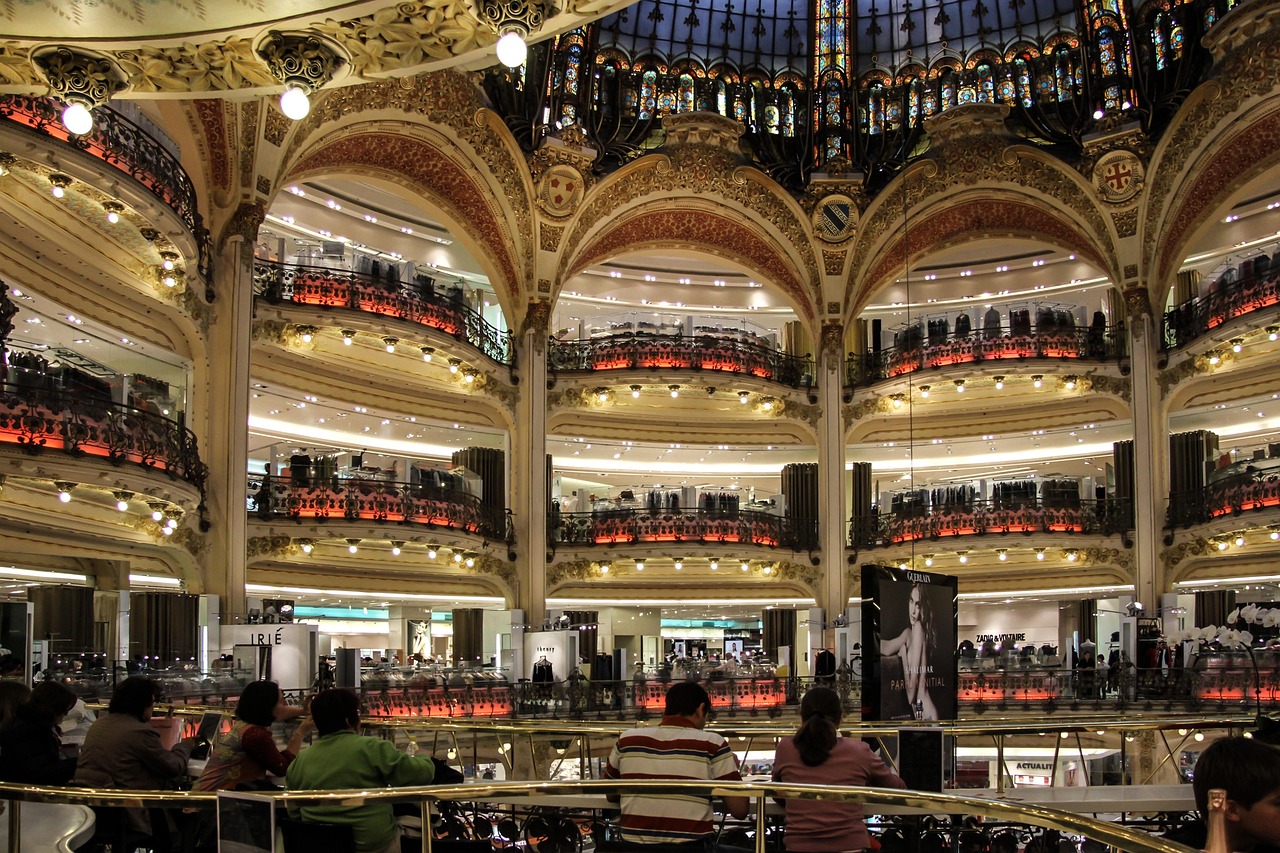

In the United States and abroad, several long‑standing department store chains have announced bankruptcy filings or closures, a development that follows a century of dramatic change in the retail sector. The most recent filing, by Saks Global, the parent company of Saks Fifth Avenue, Bergdorf Goodman, and Neiman Marcus, was announced on Tuesday. The company’s acquisition of Neiman Marcus in 2024 for $2.7 billion left it heavily indebted, and the debt burden has strained relationships with luxury vendors, some of whom have withheld inventory.
Historical Overview of Department Stores
In the early 1900s, department stores served as one‑stop shops for necessities such as food, clothing, and household goods. During World War I, London’s Harrods opened an in‑house tailoring room to alter used uniforms and sell new ones, reflecting the wartime demand for military apparel. The core product mix of clothing and home goods remained consistent, but stores also began to offer novelty items as consumer tastes evolved.
Prior to the 1930s, department stores were often crowded. In 1929, the United States encouraged shopping to stimulate a struggling economy, but the same year’s stock market crash triggered the Great Depression, a decade that saw widespread layoffs, bank failures, and poverty. The crowded aisles of the era contrasted sharply with the more subdued foot traffic seen today, except during major sales events such as Black Friday.
In the 1920s, employees worked in basement “tube rooms” to make change for cashiers on upper floors. Vacuum‑powered tubes transported change containers, a system that has since become obsolete thanks to computers and credit card technology. Modern shoppers can now use touchscreen self‑checkout machines, reducing the need for traditional cashier interaction.
Evolution of Store Practices and Marketing
Department stores have historically used window displays to attract customers. In the 1940s, displays were minimal, featuring simple arrangements of mannequins and merchandise. By the 1970s, stores such as Macy’s began decorating storefront windows each holiday season, creating elaborate scenes that combined props, mannequins, and seasonal themes. Contemporary displays often incorporate moving props, bright lighting, and digital technology to create immersive experiences.
Marketing traditions have also shifted. Macy’s first celebrated the holidays with an annual “Christmas Parade” in 1924, featuring live animals such as elephants and later balloons depicting popular characters. The event was renamed the Macy’s Thanksgiving Day Parade, and live animals were replaced by costumed performers and giant marching bands. Celebrity appearances on floats have become a staple of the parade’s modern format.
Notable Store Histories
Barneys New York, founded in 1923 by Barney Pressman, grew into a national luxury retailer by the 1990s. The chain filed for Chapter 11 bankruptcy in August 2019 and closed all remaining stores in February 2020. Bonwit Teller, once a prominent luxury department store with a flagship location in New York City, expanded to more than a dozen locations across the United States. The company filed for bankruptcy in 1989 and closed its last store in 2000. The flagship building, purchased by Donald Trump in 1979, was demolished to make way for Trump Tower.
Saks Fifth Avenue opened its flagship store in New York City in 1924. The 650,000‑square‑foot store spanned an entire city block and was a major destination for luxury shoppers. The recent bankruptcy filing by Saks Global has left the flagship store nearly empty, with little foot traffic reported by a Business Insider reporter who visited the location on the day of the announcement.
Current Market Dynamics
The rise of the internet and the surge in online sales have placed significant pressure on department stores. In 2025, U.S. shoppers were projected to spend a record $11.7 billion online on Black Friday, an 8.3% increase from 2024. This shift toward e‑commerce contrasts with the chaotic in‑store crowds that characterized Black Friday scenes in the decade before the COVID‑19 pandemic.
Many luxury department stores now face the dual challenge of maintaining physical retail spaces while competing with online retailers. Some have adapted by expanding product lines to include novelty items and branded merchandise, while others have invested in technology to enhance the in‑store experience. However, the financial strain from large acquisitions and changing consumer behavior has led to bankruptcies and store closures.
Implications and Future Outlook
As department stores continue to navigate a rapidly evolving retail landscape, the industry may see further consolidation or a shift toward hybrid models that blend physical and digital shopping experiences. The bankruptcy filings of Saks Global and the closure of other historic chains suggest that only those retailers able to adapt to online competition and manage debt will survive. Industry analysts expect that the next few years will involve restructuring efforts, potential new ownership, and a reevaluation of the role of large department stores in the global retail ecosystem.