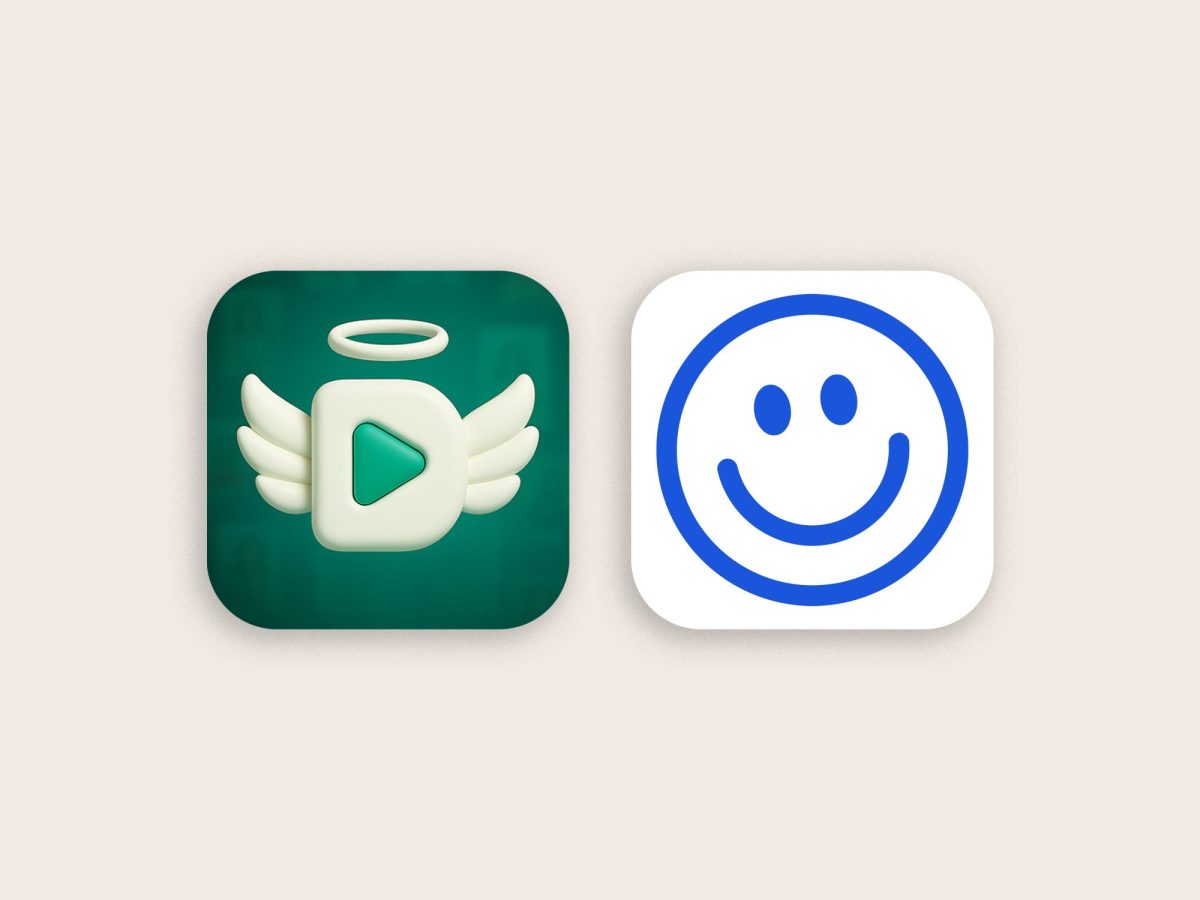

Two defunct social media platforms, Friendster and Vine, have been relaunched in new forms this week, drawing on nostalgia for early internet culture. The revived apps are not direct replicas but substantially altered versions created by different founders with distinct features.
Friendster, a social network that launched in 2002 and predated Myspace and Facebook, was acquired by startup founder Mike Carson for approximately $30,000, including its domain and trademark. The new Friendster is a mobile-only app that restricts users to adding friends only by tapping iPhones together in person. The app jumped to No. 12 in Apple’s App Store social networking category on Thursday, according to publicly available rankings.
The original Friendster shut down in 2015 after rebranding as a gaming company in 2011. The new version does not have access to any prior user data or content.
DiVine, a decentralized version of the short-form video app Vine, was developed by Evan Henshaw-Plath, an early Twitter employee who goes by Rabble. The project is backed by And Other Stuff, a nonprofit that received a $10 million grant from Jack Dorsey. DiVine revived hundreds of thousands of old Vine videos from digital archives and allows users to post new six-second videos filmed directly within the app. The platform enforces a strict anti-artificial intelligence policy.
DiVine runs on Nostr, an open-source protocol not owned by a single company. The original Vine was acquired by Twitter in 2012 and officially shut down in 2017, a closure that preceded the rise of TikTok and other short-form video platforms.
Background
Henshaw-Plath said that people look back at the era of social media before platforms grew extremely large. He noted that at the beginning of 2024, users were romanticizing the year 2016, reflecting broader nostalgia for earlier internet periods. Carson wrote in a Medium post that while today’s social networks foster negativity, he remembered the original Friendster as a positive experience.
The resurrections mirror a broader trend of reviving internet relics. In 2024, Digg, once a Reddit competitor, was revived by original co-founder Kevin Rose and Reddit co-founder Alexis Ohanian. However, by March 2025, Digg announced it was downsizing its team and reconsidering its strategy.
Challenges Ahead
Building a new social platform remains difficult even with a recognizable brand name. Digg CEO Justin Mezzell wrote that user loyalty to existing platforms makes migration challenging. Friendster and DiVine may encounter similar obstacles, as community building requires sustained user engagement beyond initial curiosity.
Newer startups such as Perfectly Imperfect and Cosmos are also leveraging nostalgia, creating platforms reminiscent of Tumblr. Henshaw-Plath emphasized that community, not software or founders, determines success. He stated that it is the community of users that makes these applications work.
The relaunched platforms face the test of whether they can retain users and foster active cultures. No official timelines have been announced for broader feature rollouts or user growth targets.