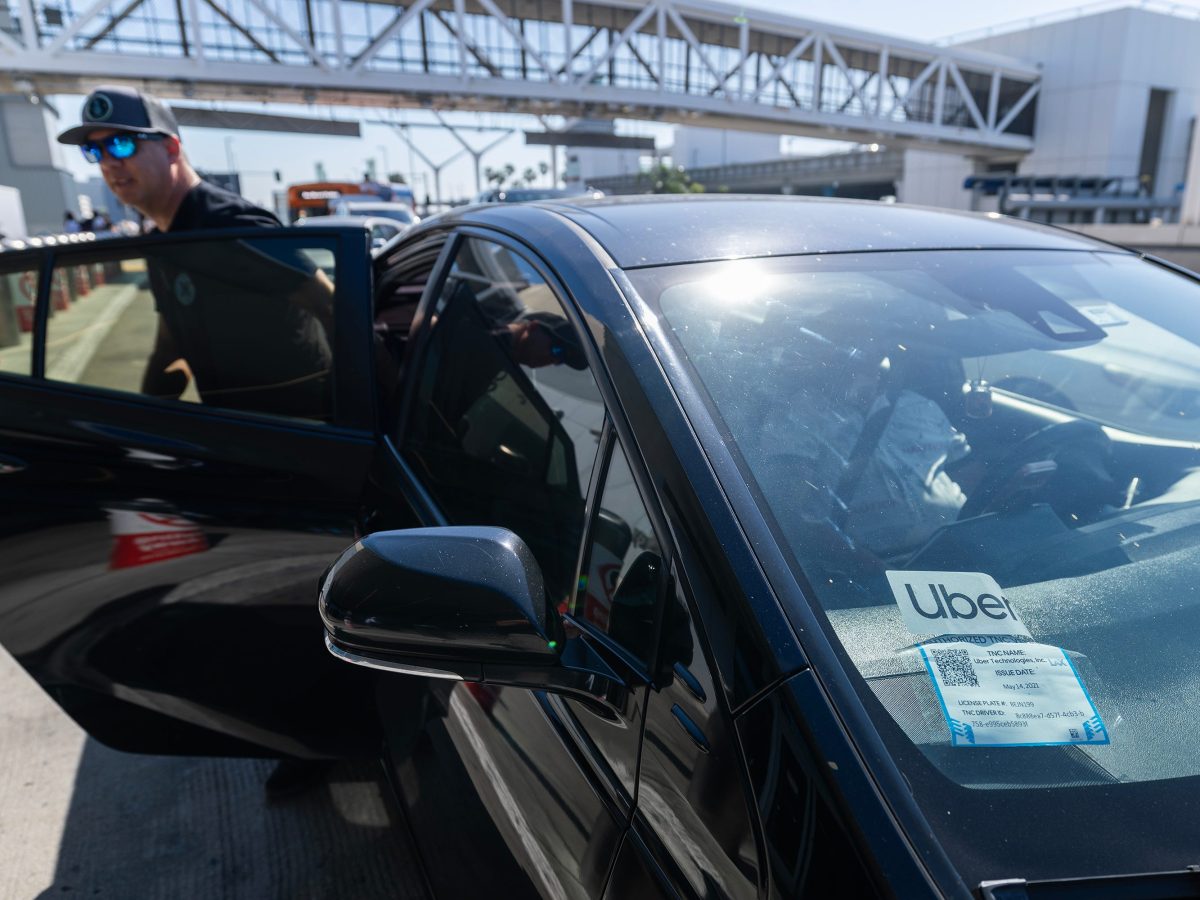

A Florida man has filed a lawsuit against Uber, alleging the company incorrectly reported income to the Internal Revenue Service under his name despite him never working for the platform. The case highlights ongoing identity verification challenges within the gig economy that are leading to erroneous tax forms and financial complications for individuals.
Damian Josefsberg, a Florida resident who operates a laser alignment company, claims Uber reported over $1,200 in earnings in his name for the 2021 tax year. His attorney, Kenneth Dante Murena, stated that Josefsberg has never been employed by or worked for the ride hailing service.
The lawsuit, filed last month in a Florida court, is seeking class action status. This would allow other individuals with similar experiences to join the complaint.
Company Response and Verification Procedures
An Uber spokesperson confirmed that Josefsberg was not a worker on its platform. The company directed inquiries to a specific form on its website for reporting erroneous 1099 tax documents. The form requests individuals to submit the incorrect tax form, a picture of a government issued ID, a selfie with that ID, and a police report to initiate an investigation.
The spokesperson stated that Uber disagrees with the claims in the lawsuit. The company maintains robust safeguards designed to detect and prevent fraudulent activity and continually enhances these systems. Uber also stated it conducts background checks on drivers, including reviews of their driving and criminal records.
Josefsberg’s experience points to a broader issue where individuals on gig work platforms are not always who they claim to be. Some drivers and delivery workers have reportedly purchased accounts on illegal online markets instead of signing up through official channels.
Allegations of Inadequate Screening
The lawsuit alleges that Uber does not do enough to verify the identities of workers on its platform. It claims that stringent screening barriers, such as thorough background checks and verification of legal work status, would impede the company’s ability to rapidly expand its driver pool and trip deliveries.
Murena argued that drivers with unknown real identities and backgrounds pose a safety risk to passengers. He noted that Uber is facing multiple other lawsuits alleging the company is liable for sexual misconduct, including rape, by its drivers. The public expects Uber to confirm that drivers are who they say they are, Murena said.
The legal action seeks damages from Uber and a correction to Josefsberg’s tax record. Murena reported receiving approximately two dozen calls from others who also received 1099 forms from Uber despite never working for the app.
Similar Issues at Other Platforms
Other major gig economy companies have faced identical problems. Christie Reynolds, an employee of an after school program in Rio Rancho, New Mexico, stated she has never worked for DoorDash. However, she received a letter from the IRS stating DoorDash reported $24,000 in income under her name for 2023.
The IRS letter also indicated the unreported income would prevent her from claiming the Child Tax Credit. Reynolds contacted the IRS, which informed her that DoorDash must handle the correction to her tax records. She expressed confusion over the process, as she is neither a DoorDash customer nor a gig worker.
After being contacted about Reynolds’ case, a DoorDash spokesperson stated the root cause was identity theft unrelated to the DoorDash platform. The spokesperson encouraged individuals who believe their identity was fraudulently used to contact DoorDash support immediately and offered to connect with Reynolds directly.
Reynolds said her personal information was exposed in at least two data breaches in recent years, though she is unsure how someone obtained her details to create the DoorDash account. She plans to consult a lawyer friend for advice, expressing feeling overwhelmed and uncertain about what to do next.
Platforms’ Countermeasures and Future Steps
In response to identity fraud, apps like Uber have implemented new verification efforts. These include requiring workers to regularly submit selfies for real time identity checks or to appear in person for verification.
The next steps in the Florida lawsuit involve court proceedings to determine if it will be certified as a class action. Individuals who have received erroneous tax forms from gig platforms are advised to contact the company’s support directly, file a report with the Federal Trade Commission, and submit an Identity Theft Affidavit (Form 14039) with the IRS.
Legal experts anticipate increased regulatory scrutiny on the identity verification practices of gig economy companies. The outcomes of these cases could influence future platform policies and user onboarding procedures across the industry.