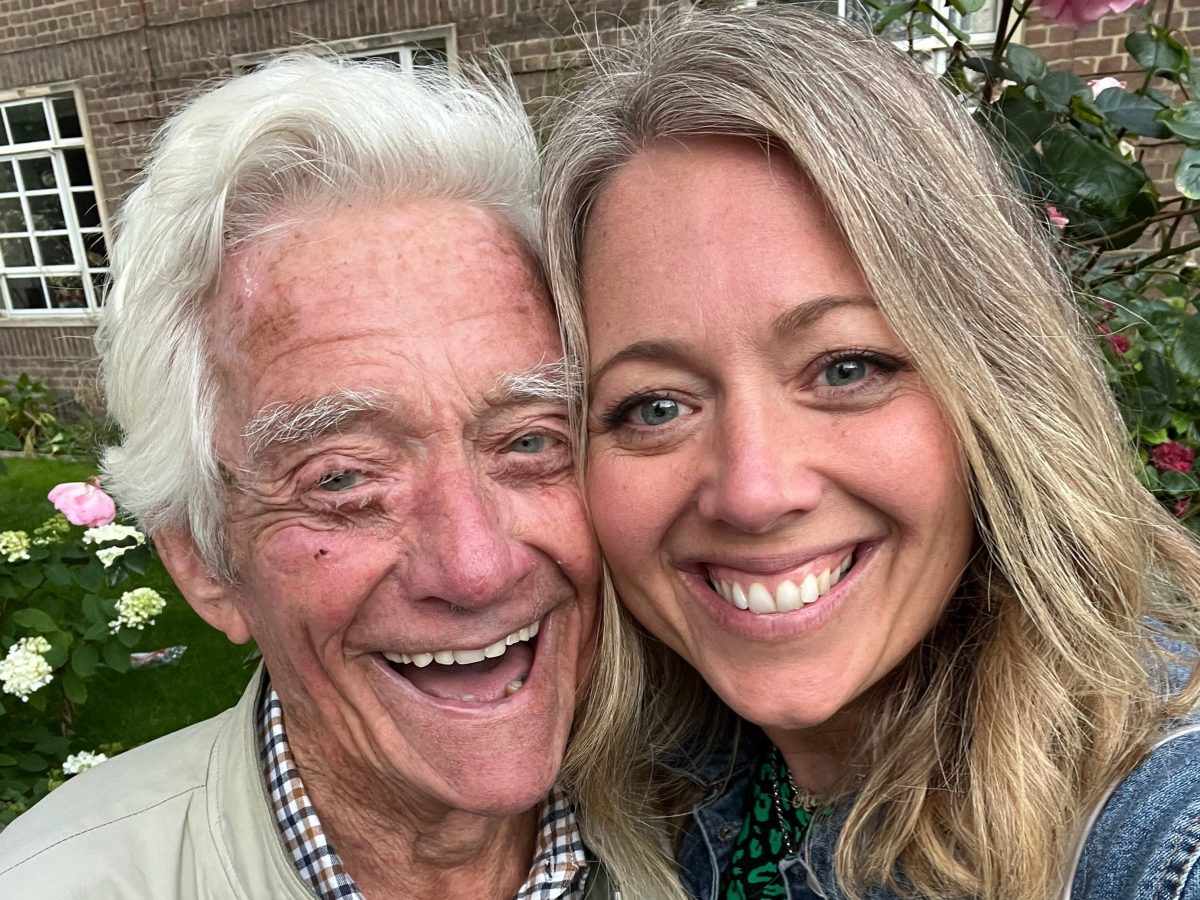

SUSSEX, UK. Naomi Holbrook, a 51 year old woman living in Sussex, has described the challenges of serving as the sole caretaker for her 92 year old father, who has dementia and recently suffered a stroke. Her experience highlights the difficulties faced by adult children who provide full time care for aging parents, particularly those without children or partners of their own.
Holbrook, who is self employed as a coach and mentor, moved her father 300 miles from Devon to Sussex in 2023 to be closer to him as his health declined. Her father now lives in an independent living complex five streets away from her home. He manages basic daily tasks such as showering, shaving, and dressing himself, and maintains a routine of taking the bus into town for coffee. A paid carer visits twice a week primarily for social companionship rather than personal care.
Impact on Social Life and Work
Holbrook said that caring for her father has significantly affected her ability to maintain friendships and pursue romantic relationships. She has not dated in approximately 10 years, and she stated that it is not currently possible to do so. Socializing with friends has also been deprioritized due to the demands of caregiving.
She reported that her work life balance is effectively nonexistent, with professional responsibilities and personal tasks integrated into a single daily routine. She often conducts client Zoom calls from her father’s living room while he sleeps. She published a book last year, which she wrote while waiting in hospital waiting rooms during his appointments.
Holbrook is responsible for managing her father’s medical care, including scheduling hospital visits, keeping his calendar, and handling falls, fractures, head injuries, two cases of Covid 19, and a stroke. She described her role as similar to being her father’s secretary, adding that she now makes a conscious effort to plan a fun day out with him every few weeks.
She has a sister who lives in Cheshire, approximately 260 miles from their father’s prior residence, and who is not involved in his care. Holbrook has accepted that her father’s care is her responsibility.
External Perceptions and Comments
Holbrook said she frequently hears comments from acquaintances who assume that her caregiving responsibilities are easier because she is single and child free. She reported that people have told her, “You haven’t got children, you haven’t got a partner. You’ve only got you to think about.” She noted that similar comments have been made throughout her life, including in her 30s and 40s when she was asked about settling down and who would care for her in old age.
She said she has often felt judged by others, even when no direct comment is made. Despite the challenges, Holbrook said she is aware that the time remaining with her father is limited and is trying to make the best of the situation.
The increasing number of adults who serve as unpaid caretakers for elderly relatives is a growing issue in many regions. According to statistics from Carers UK, an estimated 6.5 million people in the country provide unpaid care. The demands of caregiving can lead to social isolation, financial strain, and negative effects on mental and physical health.
Holbrook’s situation illustrates the specific challenges faced by those who are sole caretakers without the support of siblings or other family members. As populations age worldwide, more individuals may find themselves in similar circumstances, balancing professional obligations, personal life, and the responsibility of caring for aging parents.
The full impact of long term caregiving on social networks and career trajectories remains an area of ongoing research. Policy makers continue to explore options for supporting unpaid caretakers, including respite services, financial assistance, and workplace flexibility.