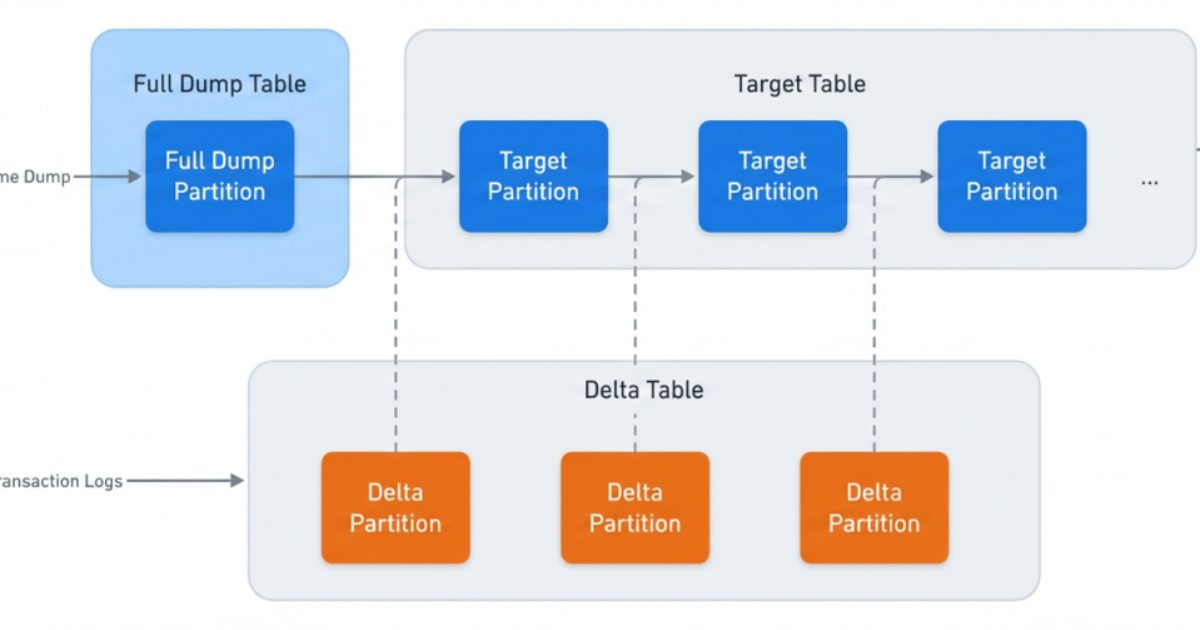

Meta has completed a migration of its data ingestion platform, which transfers several petabytes of MySQL social graph data daily. The engineering team detailed the project in a recent technical report, outlining the methods used to improve reliability and operational efficiency.
The migration involved transitioning to a new system architecture designed to handle the massive scale of data flow required for Meta’s social graph. The social graph records connections and interactions between users, groups, and pages across Facebook, Instagram, and other Meta platforms.
According to the engineering team, the platform processes several petabytes of data each day. The scale of this operation demanded a migration strategy that could avoid downtime and data loss.
Migration Techniques Used
To ensure a seamless transition, the team employed two key techniques: reverse shadowing and continuous checksum monitoring. Reverse shadowing allows the new system to process live data in parallel with the existing system while validating results, without affecting production traffic.
Continuous checksum monitoring involves comparing hashes of data between the old and new systems in real time. This verification method helped engineers detect discrepancies instantly and correct them before they could impact data integrity.
The combination of these approaches enabled what Meta described as zero downtime during the migration. Users experienced no interruptions to services that depend on social graph data, such as friend suggestions, news feed algorithms, and content recommendations.
Operational Efficiency Gains
Beyond reliability improvements, the migration also aimed to streamline operational workflows. The new platform reduces manual intervention in data ingestion processes, allowing engineers to focus on higher-level system optimization.
Meta did not disclose the exact timeframe for the migration or whether it has been fully completed. However, the company has indicated that the techniques used are now being considered for application to other large-scale data infrastructure projects within the organization.
Industry observers note that large technology companies face similar challenges in maintaining data pipelines as user bases grow and data volumes increase. The methods developed by Meta could serve as a reference for other organizations managing petabyte-scale data systems.
No financial details or future rollout plans were provided in the technical report. Meta continues to operate its social graph data ingestion platform as a core component of its global infrastructure.