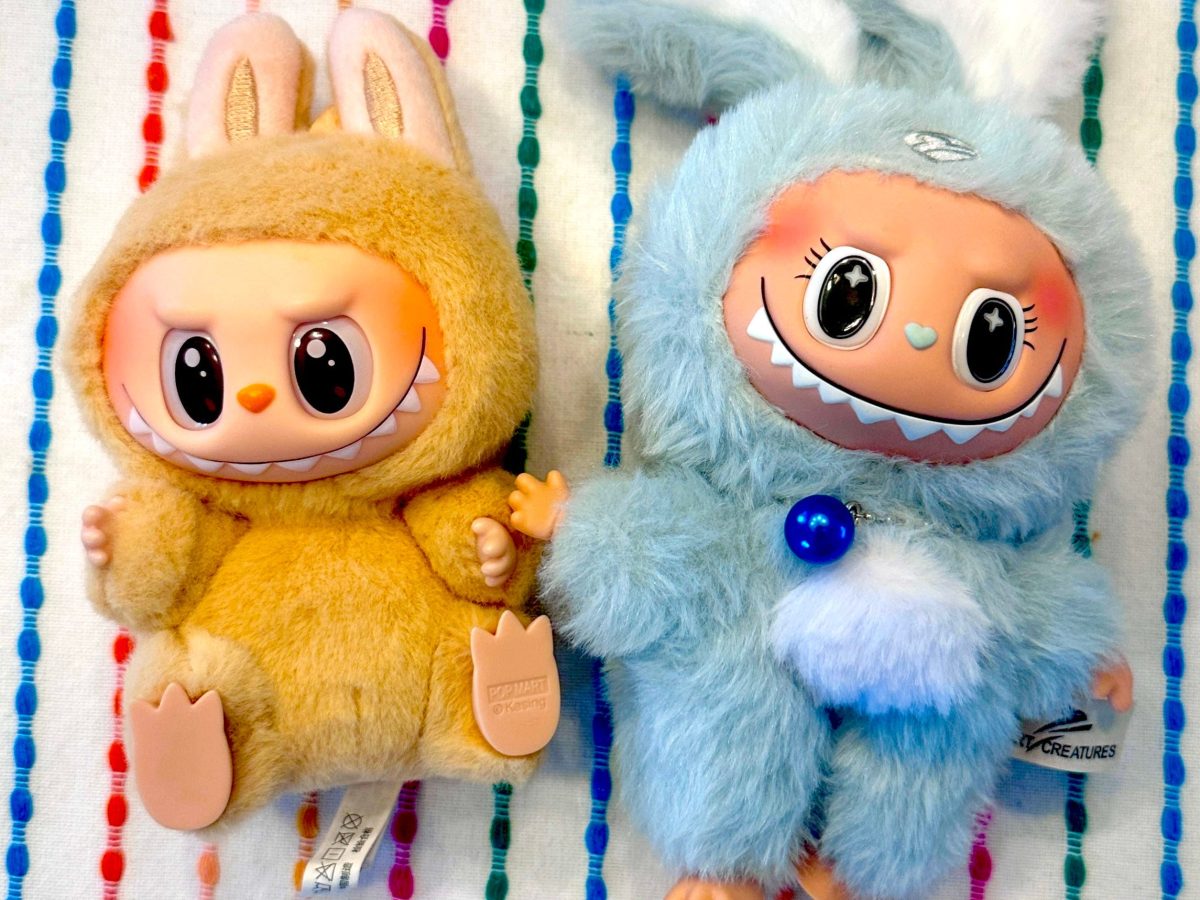

Web traffic to Pop Mart’s official website has dropped sharply after months of surging demand for its Labubu plush toys, according to web analytics data from Comscore collected by Emarketer. The decline signals a cooling of a trend that reached its height in mid-2025, when celebrities including Rihanna and Blackpink’s Lisa were seen carrying the fuzzy monster charms.
The data shows a significant decrease in visits to PopMart.com beginning in September 2025, coinciding with the company restocking Labubus and making them more widely available. Traffic rose modestly during the holiday season but then fell again, reaching levels well below the summer peak.
Market Shifts and Physical Store Expansion
Pop Mart, the Hong Kong-based manufacturer of Labubu, has been opening brick-and-mortar stores and vending machines across the United States. The company’s first U.S. store opened in 2023 at the American Dream Mall in New Jersey, and as of early 2026, Pop Mart operates more than 65 stores nationwide. The shift toward physical retail may partially account for the drop in website traffic, as consumers increasingly purchase directly from stores or other online retailers.
Industry analysts note that the decline in web traffic does not necessarily reflect total sales, but it does indicate changing consumer behavior. At the Toy Fair convention in February 2026, multiple vendors told reporters that the Labubu craze had peaked. They also stated that the trend’s impact on the toy industry has been lasting, with adult-focused collectibles and blind box packaging continuing to gain traction.
Financial Performance and Investor Concerns
In March 2026, Pop Mart reported that Labubu accounted for 40 percent of the company’s total revenue. The figure prompted concern among some investors, according to reporting by Business Insider. A reliance on a single hit product carries risk if consumer interest continues to fade.
Despite the cooling trend, Pop Mart’s leadership expressed confidence in the company’s broader strategy. During an earnings call in March 2026, CEO Grant Wang stated that the company had built a robust intellectual property portfolio, a strong management team, and a deep understanding of brand building and market dynamics. He did not provide specific guidance on future Labubu sales.
The counterfeit market for Labubu, often called Lafufu, has persisted. Fake versions of the plush are widely available at street stalls and online marketplaces, often at lower prices. One example cited in the original reporting involved a consumer who purchased a counterfeit Labubu for $15 at a sidewalk stall on Canal Street in New York. The presence of fakes complicates official sales data and consumer trust.
Pop Mart did not immediately respond to a request for comment regarding the web traffic data or the state of the Labubu market.
Looking ahead, the long-term trajectory of Labubu sales will depend on how successful Pop Mart is in broadening its product lineup and sustaining interest among adult collectors. The company’s next earnings report is expected to provide further clarity on whether the drop in web traffic signals a lasting downturn or a temporary shift in purchasing channels.